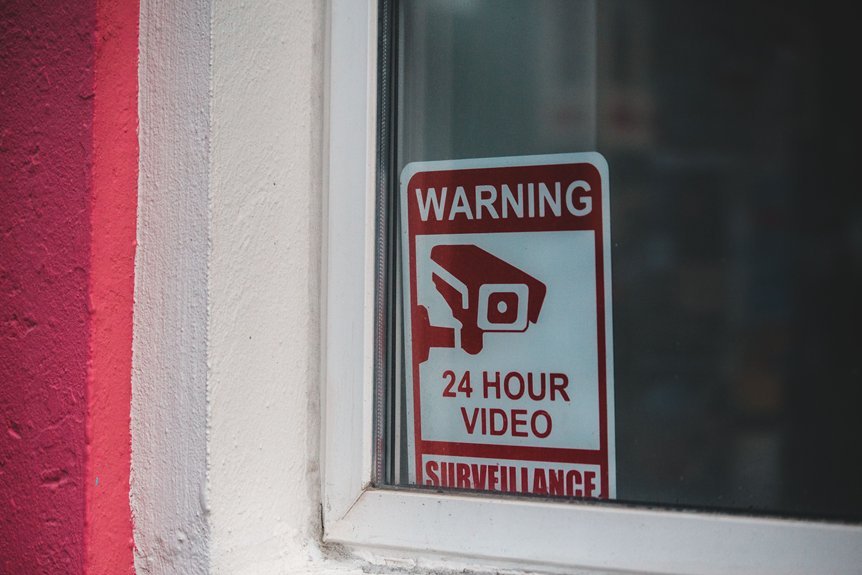

The guide presents a compact, analytical view of the Cybersecurity Icon as a unifying symbol for layered defense, policy, technology, and process. It frames risk visualization, proactive threat awareness, and role clarity as core outcomes. The discussion probes how the icon shapes governance, routines, and metrics across teams. It offers concrete criteria and prompts to assess maturity. Yet questions remain about practical adoption and measurable impact, inviting further exploration of how this symbol translates into everyday security discipline.
The Cybersecurity Icon: How It Works
The Cybersecurity Icon serves as a symbolic shorthand for trusted digital protection, encapsulating complex mechanisms into a single, recognizable entity. It operates as a visual shorthand for layered defenses, aligning policy, technology, and process. The approach emphasizes security symbolism and threat visualization, translating risk into actionable cues. This detached framing clarifies function, enables proactive defense planning, and fosters principled, freedom-loving vigilance.
The Everyday Impact: What the Icon Means for Individuals and Teams
It is clear that the cybersecurity icon translates abstract protections into concrete expectations for daily work, signaling when practices align with organizational risk standards and when they do not.
The everyday impact clarifies responsibilities, enhances data privacy through disciplined handling, and elevates phishing awareness as a shared priority.
Teams interpret indicators analytically, adjusting workflows proactively to reduce risk and maintain freedom within formal safeguards.
From Theory to Action: Practical Steps to Build a Security-Aware Culture
Implementing a security-aware culture requires translating concepts into concrete routines, metrics, and accountability across the organization. Practical steps emphasize governance, role-based expectations, and continuous feedback loops. Privacy training reinforces responsible data handling, while phishing simulations reveal gaps and calibrate awareness. Leaders align incentives with secure behavior, enabling proactive risk reduction, cross-functional collaboration, and measurable progress toward resilient, freedom-centered security practices.
Evaluating Your Readiness: A Clear Framework to Measure Cybersecurity Maturity
Evaluating readiness requires a structured, evidence-based approach to quantify cybersecurity maturity across people, process, and technology.
The framework assesses governance, risk appetite, and operational controls, delivering actionable insights for leadership and teams.
Privacy metrics provide compliance clarity, while threat modeling reveals exposure, dependencies, and mitigations.
This proactive, analytical method enables measured progress, objective benchmarking, and freedom to adapt defenses efficiently.
Frequently Asked Questions
What Is the Origin of the Cybersecurity Icon’s Design?
The origin of the cybersecurity icon’s design lies in combining shield symbolism and network motifs, reflecting elevated protection. Analysts note origin symbols and color psychology guide its visual language, conveying trust, vigilance, and accessibility for audiences pursuing digital freedom.
Are There Industry Standards Governing Icon Usage?
Industry guidelines exist, but enforcement varies; visual consistency across platforms prevails, while culture neutral design shapes stakeholder perception. Juxtaposed icons signal standardized practice yet invite freedom in interpretation, demanding proactive, analytical evaluation of usage policies and evolving conventions.
How Does the Icon Affect Non-Technical Stakeholders?
The icon influences security perception among non-technical stakeholders by shaping trust signals; its status acts as a visual cue. Two word discussion ideas: security perception, trust signals. This analytical, proactive assessment supports audiences seeking freedom in understanding.
Can the Icon Symbolize Security Across Cultures?
The icon can symbolize security across cultures, though cross cultural perception varies. Security symbolism relies on universal recognizability across cultures, while collective memory shapes interpretation; designers should align with universal cues yet anticipate diverse viewers seeking freedom.
What Are Common Misconceptions About the Icon?
Misconceptions about the icon include assuming universal clarity and inherent trust; in reality, its meanings vary, generating misleading associations. Analysts note guardrail design influences perception, while complacency thwarts nuanced understanding and proactive cybersecurity interpretation across audiences seeking freedom.
Conclusion
The Cybersecurity Icon crystallizes clear, cohesive care, catalyzing disciplined defense. By binding policy, technology, and process, the symbol signals steadfast stewardship and shared standards. Teams trust thorough training, timely threat awareness, and tangible metrics, translating theory into actionable routines. Proactive preparedness primes progress, preventing peril and preserving privacy. With vigilant vigilance and measured maturity, organizations maintain momentum, minimize risk, and maximize resilience. The emblem embodies an ongoing, organized obligation: to safeguard systems, sustain services, and steadily strengthen security.