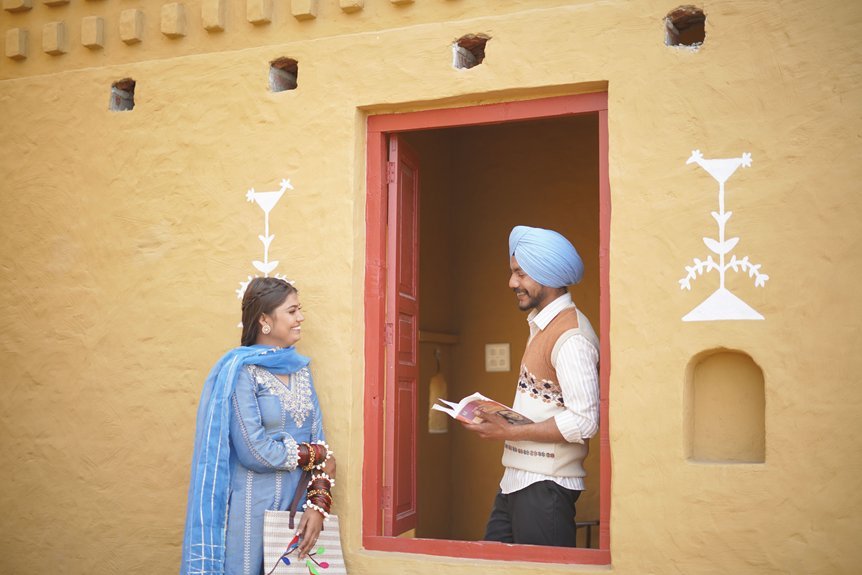

Understanding ਪੰਜਾਬੀxxx Step by Step presents a disciplined path to literacy in the Gurmukhi script. The approach foregrounds script mechanics, accurate pronunciation, and basic phrases as a foundation. It then systematically integrates grammar patterns with real-life dialogues, coupled with structured practice plans. The method emphasizes consistent writing and targeted drills to build autonomy. The rationale remains clear: progress hinges on disciplined practice, precise analysis, and measured increments, inviting the reader to pursue the next, essential step.
What Is Punjabi (ਸ਼ੁੱਧ) and Why Learn It Step by Step
Punjabi, or Punjabi script (Gurmukhi), is an Indo-Aryan language spoken primarily in the Punjab region of South Asia and diasporic communities worldwide. The inquiry assesses language value, structure, and transmission. Its Punjabi script origins anchor literacy, while pronunciation nuances influence meaning. Common greeting variations and everyday phrases reveal pragmatic use, sociolinguistic reach, and the potential for personal autonomy through disciplined, mindful study.
Master the Basics: Script, Pronunciation, and Simple Phrases
Having established what Punjabi (Gurmukhi script) represents and why its study matters, the focus shifts to foundational competencies.
The analysis isolates Punjabi script mechanics, emphasizing stroke order, character families, and orthographic consistency.
Pronunciation practice is instrumental for decoding phonemes and tonal cues.
Simple phrases enable basic conversation, enabling confident, autonomous use while preserving linguistic integrity and fostering disciplined, exploratory learning.
Build Practical Skills: Grammar Patterns and Real-Life Dialogues
Grammar patterns form the backbone of functional Punjabi usage, translating foundational rules into communicative competence. This section analyzes recurring structures, offering concise mappings from syntax to meaning. It emphasizes pattern-driven practice drills and authentic real life dialogues to consolidate usage. The approach remains detached, rigorous, and precise, balancing analytical clarity with accessible, freedom-oriented language for self-directed learners seeking practical mastery.
Practice Plans and Quick Exercises to Boost Confidence Fast
Efficient practice plans and concise exercises are outlined to rapidly elevate confidence in Punjabi usage, prioritizing time-effective drills, measurable goals, and structured progression.
The section presents concrete, objective methods: practice plans that segment speaking tasks, frequent quick exercises—familiar phrases, quick turns, shadowing—to reinforce fluency.
Progress is tracked with concise metrics, enabling disciplined, autonomous improvement toward freer, confident communication.
Frequently Asked Questions
Is Punjabi Spoken Differently Across Regions?
Yes, Punjabi exhibits regional variation. The analysis notes regional vocabulary differences and dialectal pronunciation shifts, reflecting sociolinguistic factors. The examination emphasizes how linguistic borders shape speakers’ choices, enabling precise comparisons while respecting speakers’ linguistic autonomy.
How Long to Achieve Conversational Fluency?
The time to achieve conversational fluency varies; estimates range from months to a couple of years depending on exposure. It contrasts conversational fluency vs. daily use, noting Punjabi dialect maps and regional variation shape progress and expectations.
Which Scripts Are Used in Diaspora Communities?
Scripts used in diaspora communities vary by region, including Gurmukhi, Shahmukhi, and Latin transliterations; literacy challenges in diaspora settings arise from access gaps, multilingual demand, and limited educational infrastructure, requiring targeted, autonomy-supportive literacy programs and community partnerships.
Are There Tonal or Contextual Nuances to Learn?
Tonal and contextual nuances exist; tone and pitch vary with context cues, dialectal variation across regions, and cultural etiquette phrases. Scripts used in diaspora communities influence time to conversational fluency, shaping comprehension and interaction amid diverse linguistic landscapes.
What Are Common Cultural Etiquette Phrases?
Anachronism: a compass. Common etiquette phrases and regional greeting norms structure polite interaction; thus, phrases vary by region, emphasizing respect, humility, and salutations, with formal forms prevailing in rural areas and more casual closings in urban settings.
Conclusion
Punjabi, with its script and phonetics, offers a disciplined route to literacy and cultural immersion. A striking statistic underscores its reach: over 125 million speakers worldwide, spanning urban and rural communities. This guide’s stepwise structure—from script mechanics to real-life dialogues—facilitates autonomous mastery through targeted drills and consistent practice. By emphasizing precision in pronunciation and pattern-based grammar, learners build transferable skills for practical communication, sociolinguistic awareness, and meaningful engagement with Punjabi-speaking cultures.